Kitchen Bins | Pull Out Bins, Under Sink Bins & In Cupboard Bin Solutions
Managing waste in your kitchen doesn’t have to be messy or visible. With the right kitchen bins, you can keep your space clean, organised, and clutter-free while making everyday tasks easier.Our range of kitchen bins and kitchen waste bins includes purpose-built systems for every cabinet type — from pull out bins and pullout bins that slide on full-extension runners, to under sink bins designed to fit around plumbing, and in cupboard bin solutions that keep waste completely out of sight.Every product in our range is sized for standard Australian cabinetry. Whether you're fitting out a new kitchen or upgrading an existing one, you'll find single-bin, double-bin, and soft-close systems across all bin types. Free shipping on orders over $200 to most Australian states.
✓ Genuine Kitchen bins Products | ✓ Free Shipping On Orders Over $200 | ✓ 30-Day Return Policy | ✓ Expert Support Available
User Tip: Not sure which type suits your kitchen? Use the ‘How to Choose’ guide further down this page — it matches bin type to cabinet size and household needs in under a minute.
Types of Kitchen Rubbish Bins Explained
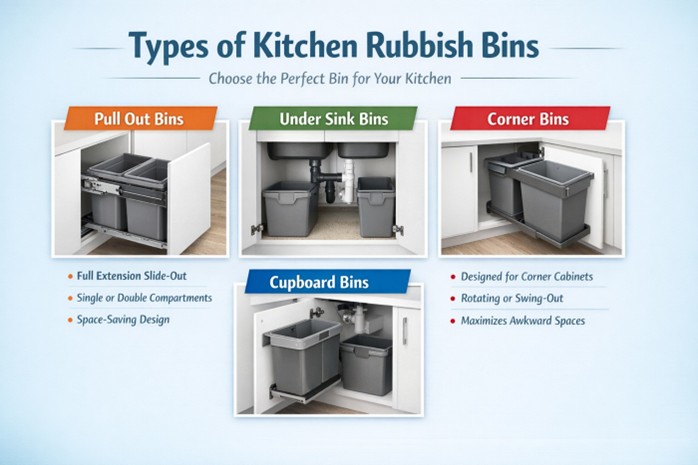
Pull Out Kitchen Bins
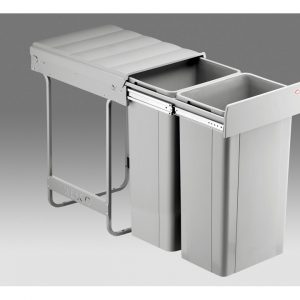
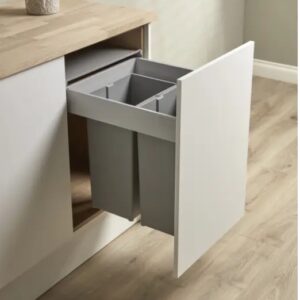
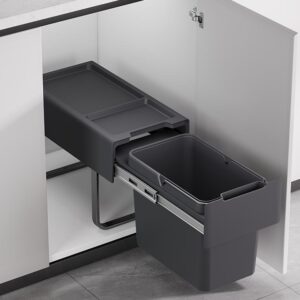
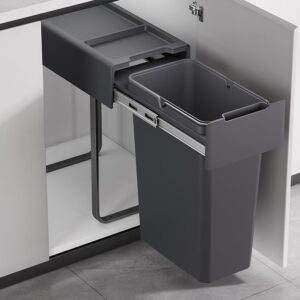
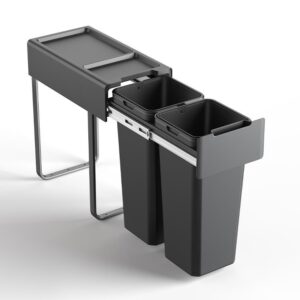
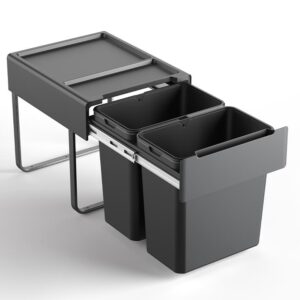
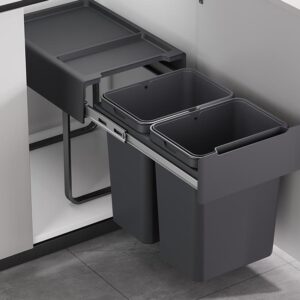
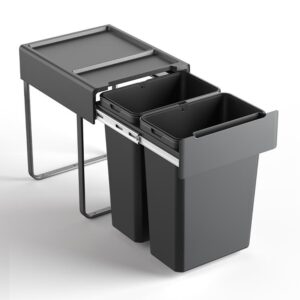
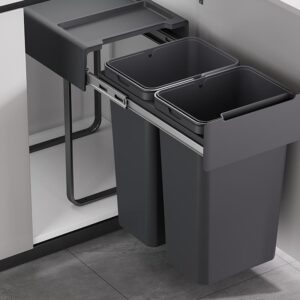
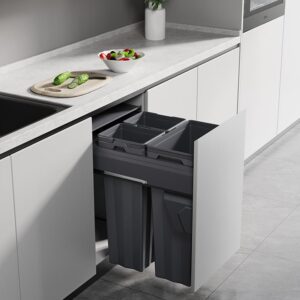
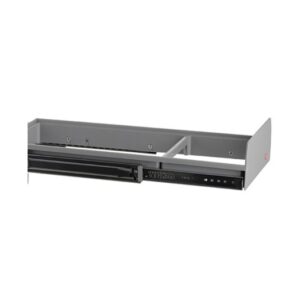
A pull out kitchen bin — also known as a pullout bin, slide out kitchen bin, or pull out rubbish bin — is a built-in waste system designed to fit neatly inside your cabinet and glide out smoothly on runners. It keeps waste hidden from view while making everyday use quick, clean, and convenient.
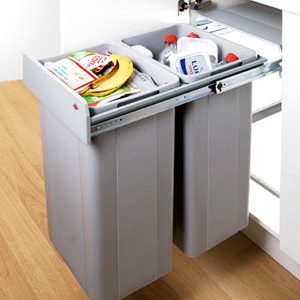
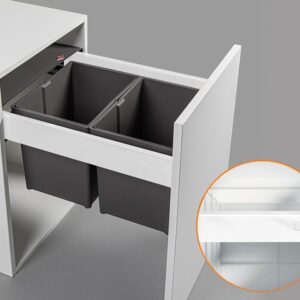
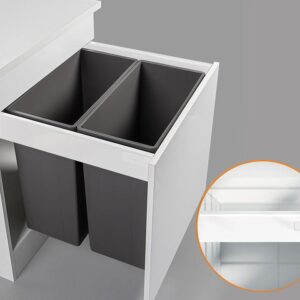
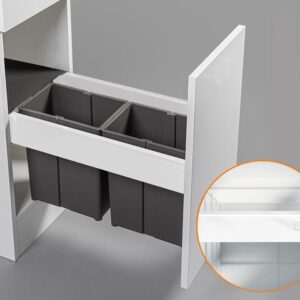
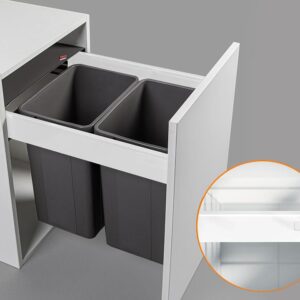
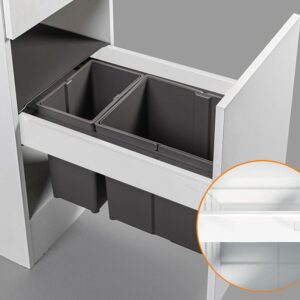
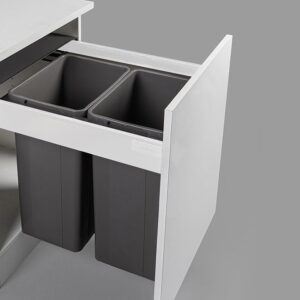
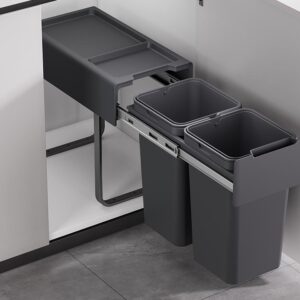
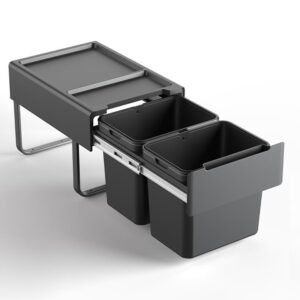
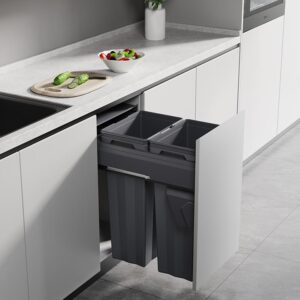
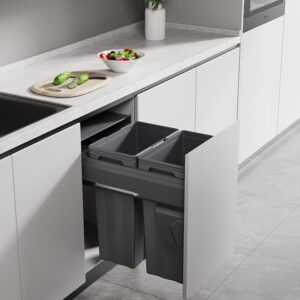
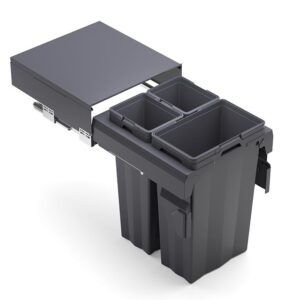
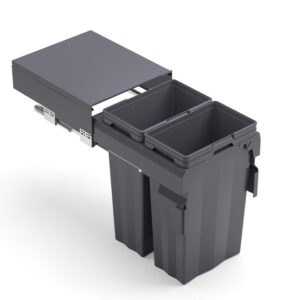
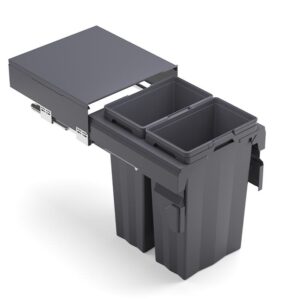
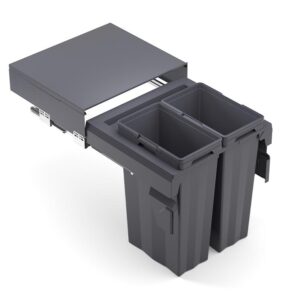
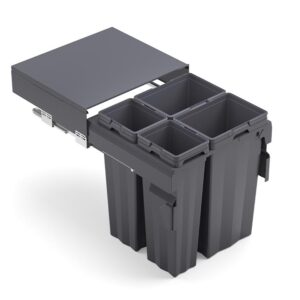
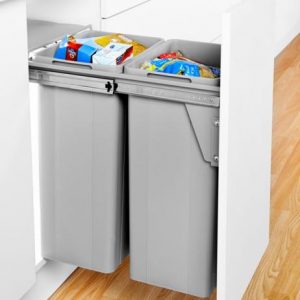
A slide out kitchen bin works on the same principle — the bin glides out on tracks when you open the cabinet door. These systems are available as single-bin or dual-compartment units. A double pull out rubbish bin lets you separate general waste and recycling inside the same cabinet space without running two separate bins.
Pull out bins are the most popular built-in bin choice for Australian kitchens because they work with standard base cabinet widths (300mm, 400mm, 450mm, 600mm) and require no floor space.
Benefits of pull out Kitchen bins
Full access — slides completely out so you never have to reach inside a dark cabinet
Space-saving — fits inside cabinets that would otherwise store nothing useful
Hygienic — closed lid keeps odours, insects, and mess contained
Pull out rubbish bin double versions let you separate waste and recycling in one unit
Available from compact 12L single units up to 2 × 35L large-capacity systems
Soft-close mechanism option prevents slamming and extends runner life
Types of pull out bin systems
Standard pull out bin — mounts inside a base cabinet, operates independently of the door
Door-mounted pull out — bin opens automatically when the cabinet door is pulled open
Pull out bin under sink — a pull-out system installed specifically inside the under-sink cabinet, designed to work around plumbing
Pull out bin drawer — fits inside a standard drawer cavity instead of a base cabinet; good for kitchens without accessible base cabinet space
Factors to consider when choosing a pull out bin
Cabinet width: 300mm = slim single bin (~12–15L). 400–450mm = standard single or small double. 600mm = large double bin system
Capacity: Single bins range from 12L to 35L. Double bins from 2×15L to 2×35L
Mounting: Most units mount to the cabinet floor. Door-operated versions attach to the cabinet door frame
Soft-close: Recommended for high-use kitchens — prevents noise and wear on runners
Dual compartment: Choose if you want waste + recycling separation in one unit
Under Sink Bins
The cabinet beneath your kitchen sink is one of the most underused spaces in any kitchen. Under sink bins and under sink rubbish bins are specifically designed to make use of this space — fitting around plumbing, working with P-traps and waste pipes, and providing a clean, hidden waste solution right where you need it most.
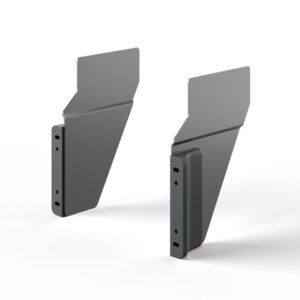
Our under sink kitchen bin range uses removable or split mounting brackets that slide around existing pipes, so the bin fits flush inside the cabinet without blocking plumbing access. A pull out bin under sink version gives you the additional benefit of full-extension runners — the bin pulls completely clear of the cabinet for easy liner changes and cleaning.
Why choose under sink rubbish bins
Uses space that would otherwise sit empty around the plumbing
Keeps waste near the sink and dishwasher — right where food prep mess is generated
Adjustable mounting brackets fit most standard Australian plumbing configurations
Double-bin versions let you keep waste and recycling side by side under the sink
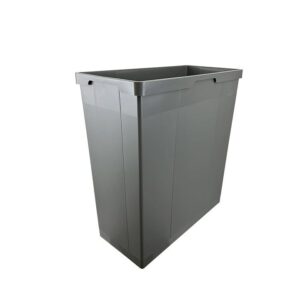
Under sink rubbish bins are available with removable buckets, making liner changes quick without pulling the whole unit out
Slim single models fit 450mm cabinets; double units suit 600mm+ cabinets
Under sink bin sizing guide
Cabinet width
Capacity
Best for
Bin type
400–500mm
15–18L
1–2 people
Slim single under sink bin
500–600mm
2 × 15L
3–4 people
Double under sink rubbish bin
600mm+
2 × 20L+
5+ people
Large double or pull out bin under sink
Frequently asked questions — under sink bins
How do under sink bins work around plumbing?
Most under sink bins use adjustable or split mounting brackets that slot around standard pipe configurations. Check the clearance height and width under your sink before ordering — each product listing states the minimum cabinet dimensions required.
Can I use an under sink bin for recycling?
Yes. Double-bin under sink models have two separate buckets side by side — one for general waste, one for recycling. These fit in cabinets 500mm wide or larger.
Is a pull out bin under sink different from a regular under sink bin?
Pull out bin under sink models use full-extension sliding runners so the bin glides completely clear of the cabinet when opened. Standard under-sink bins are fixed in place and you access them by opening the door and reaching in. Pull-out versions are easier to use and easier to clean.
User Tip: Before buying, measure the inside width and height of your under-sink cabinet and check whether the door hinge allows full clearance. Most listings include a minimum cabinet dimension — match this first.
Cupboard Bins & Door Mounted Kitchen Bins
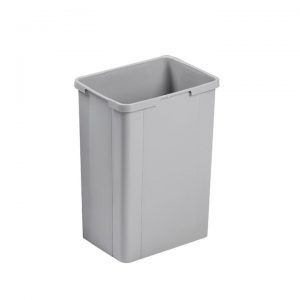
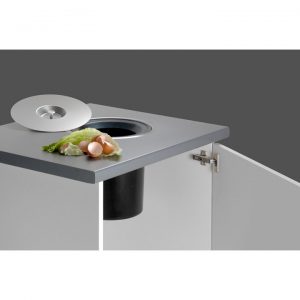
A kitchen cupboard bin is any waste bin integrated directly into your cabinetry — hidden completely when the door is closed and accessed the moment you open it. Whether you need a large pull out cupboard bin on full-extension runners or a simple in cupboard rubbish bin that clips to the door, these systems keep every surface clear and every bin out of sight.
A cupboard rubbish bin works for any standard base cabinet, wall cabinet, corner unit, or drawer cavity. The cupboard bin range includes door-mounted, pull-out, slide-out, and fixed interior types — so there is a fit for every kitchen layout regardless of the cabinet configuration.
Why choose cupboard and door mounted bins
No visible bin — waste stays out of sight until the cabinet door is opened
No floor space used — ideal for kitchens under 10m²
Cupboard bin options fit base cabinets, wall cupboards, corner units, and drawer systems
Easy to install — most units attach with screws; no specialist tools required
Available as single or dual compartment for waste and recycling separation
Types of cupboard and door mounted bins
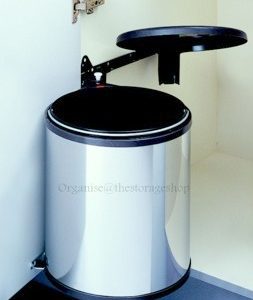
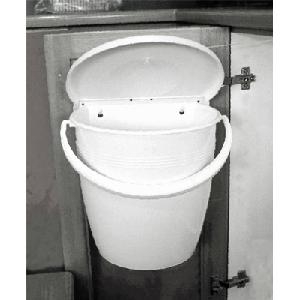
Kitchen door bin — attaches directly to the inside face of a cabinet door; opens automatically when the door is opened
Cupboard door bin — a smaller bin format that mounts on the door and swings out with it; ideal for narrow cabinets where a pull-out won't fit
Pull out cupboard bin — sits inside the cupboard body (not the door) and slides fully out on runners when opened; the most accessible option
Drawer bin — mounts inside a drawer cavity instead of a base cabinet; suits kitchens where the base cabinets are fully occupied
Under shelf bin — fixes to the underside of a shelf; good for wall cupboards
Corner cabinet bin — designed for awkward corner spaces with rotating or pull-out access
Factors to consider when buying cupboard bins
Cabinet type: Base cabinet, wall cabinet, corner unit, or drawer — each needs a different mounting style
Door clearance: Make sure the bin does not obstruct the door swing or adjacent drawers when open
Capacity: Door-mounted bins are typically smaller (5–12L). Pull-out cupboard bins go up to 35L+
Material: Plastic is lightweight and affordable. Steel resists odours and is easier to wipe down
Dual compartment: Choose a split bin if you need to separate waste from recycling inside the one cabinet
User Tip: Door mounted bins are the fastest to access for food scraps during cooking — mount one near your prep area for daily use alongside a larger pull out bin for general waste.
Comparison: Which Kitchen Bin is Right for You?
Choosing the right kitchen bin depends on your cabinet space, kitchen layout, and how you manage waste daily. Here’s a quick comparison to help you decide:
Kitchen Bin Comparison Guide
Bin Type
Best For
Key Benefits
Cabinet Size
Ideal Use
Pull Out Bins
Modern kitchens
Full access, hidden, large capacity
300mm–600mm
Everyday use, families
Under Sink Bins
Small kitchens, apartments
Uses unused space, fits around plumbing
400mm–600mm
Compact kitchens
Cupboard / Door Mounted Bins
Tight spaces
Quick access, no floor space needed
300mm+
Food prep waste, small households
Quick Recommendations
Choose pull out bins if you want the most practical and high-capacity solution
Choose under sink bins if you want to maximise unused space
Choose door mounted bins for quick access to food scraps while cooking
How to Choose the Right Kitchen Bin
Choosing the right kitchen bin doesn’t have to be complicated. The best option depends on your cabinet space, how much waste your household generates, and how easily you want to access it every day. Use the guide below to quickly find the perfect fit for your kitchen.
Step 1 — Identify Your Cabinet Space
Your Kitchen Setup
Best Bin Type
Keywords to Search
Base cabinet next to sink
Pull out bin
pull out bin, pull out kitchen bins
Space under the sink
Under sink bin or pull out bin under sink
under sink bin, under sink rubbish bins
Cabinet door with clearance
Kitchen door bin or cupboard door bin
kitchen door bin, door mounted bins
Any base cabinet
Cupboard bin or in cupboard rubbish bin
cupboard bin, in cupboard rubbish bin
Drawer cavity available
Pull out bin drawer
pull out bin drawer
Step 2 — Match Capacity to Household Size
Household
Capacity
Empty Frequency
Recommended Bin
1–2 people
15–25L
Every 4–5 days
Slim pull out bin or single under sink bin
3–4 people
2 × 15L
Every 2–3 days
Double pull out bin or double under sink bin
5+ people
2 × 25L+
Daily
Large double pull out kitchen bin (600mm+ cabinet)
Step 3 — Choose Your Installation Type
Pull out bins — best for base cabinets, food prep zones, and high daily use
Under sink bins — ideal for compact kitchens and unused plumbing space
Kitchen cupboard bins — flexible option for most cabinet types
Door mounted bins — perfect for quick access and smaller cabinets
Cupboard door bins — great for food scraps near your cooking area
Step 4 — Features Worth Paying For
Soft-close runners — quieter use and longer lifespan
Full-extension slides — easy access and cleaning
Removable buckets — simple waste disposal
Dual compartments — separate waste and recycling
Stainless steel design — durable and odour-resistant
To know more read our blog: The Ultimate Guide To Kitchen BinsQuick Tip: For most Australian kitchens, the $100–$250 range offers the best value — combining durability, smooth operation, and practical features for everyday use.
Kitchen Bin Prices: Pull Out Bins, Under Sink Bins & Cupboard Bin Cost Guide
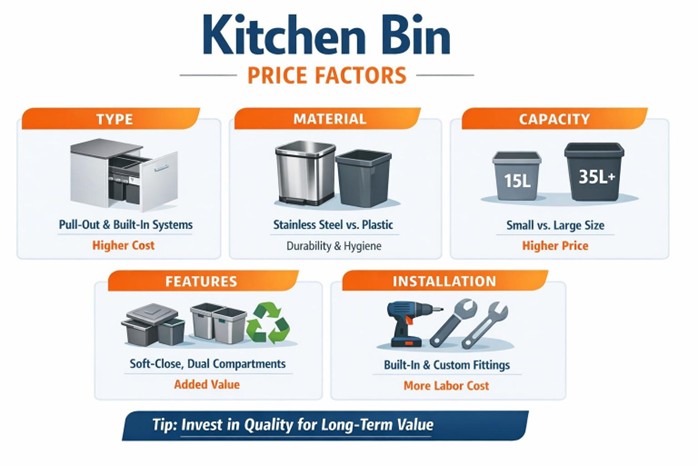
The price of kitchen bins can vary depending on design, materials, and features. Understanding what drives the cost will help you choose a bin that fits both your budget and your kitchen needs.
Type: Pull out kitchen bins and built-in systems cost more than basic cupboard bins — you're paying for the runner mechanism and cabinet integration
Material: Stainless steel kitchen bins resist rust and odour better than plastic, making them worth the premium for high-use kitchens
Capacity: Larger bins are priced higher — dual-compartment systems cost more than single-bucket units of the same type
Features: Soft-close runners, removable buckets, and dual compartments add to the cost but extend the product life significantly
Installation: Built-in and modular systems may require additional hardware or professional fitting — factor this into your total budget
User Tip: Measure your cabinet before you set a budget. A bin that doesn't fit your cabinet width is wasted money at any price point.
Price Range Guide: Smart Choices for Every Budget
Price Range
Types of Kitchen Bins
Key Features
Best For
Recommendation
$30 – $100
In cupboard bins, door mounted bins, small under sink bins
Basic design, compact size, lightweight materials
Small kitchens, apartments, light use
Good entry-level option for simple waste management
$100 – $250
Pull out bins, under sink rubbish bins, cupboard bins
Pull out kitchen bins, built-in kitchen bins, premium systems
Soft close mechanism, stainless steel, large capacity, advanced waste management systems
Modern kitchens, large families, heavy daily use
Ideal for long-term investment and premium setups
User Tip: For most homes, the $100–$250 mid-range delivers the best combination of build quality, runner performance, and practicality without the premium price tag.
How to Install Kitchen Bins: Pull Out, Under Sink & Cupboard Bin Installation Guide
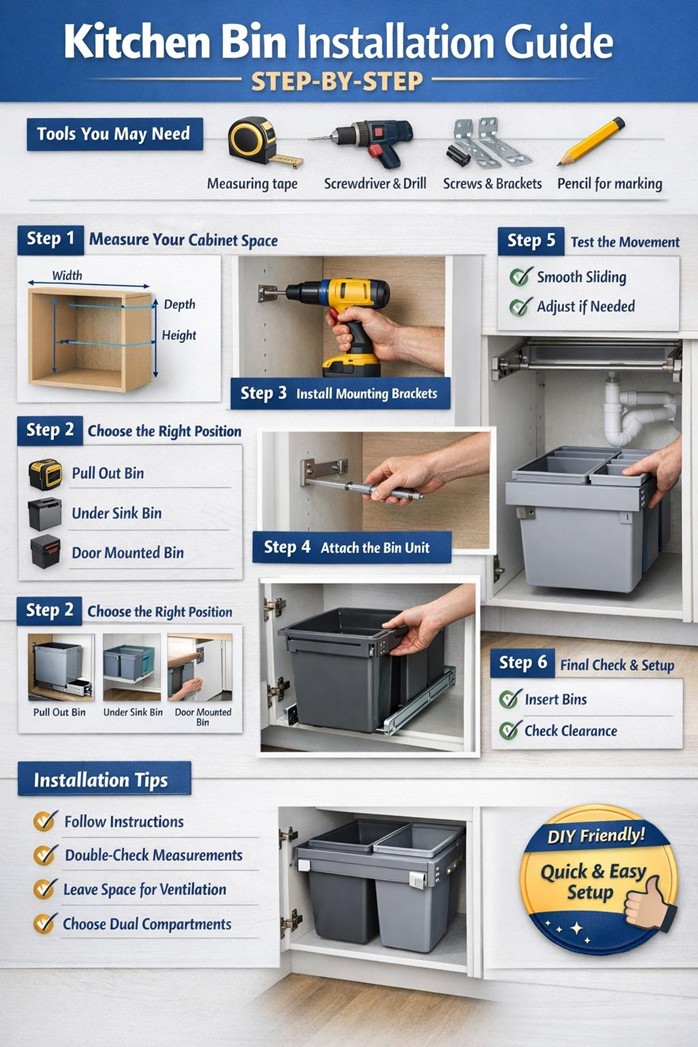
Most pull out bins and under sink bins can be installed in 20–30 minutes with a screwdriver and the measurements from your cabinet. No specialist tools required — every system in our range includes mounting hardware and a product-specific instruction sheet.
Tools you may need
Measuring tape
Screwdriver or drill
Screws and mounting brackets (usually included with the bin)
Pencil for marking positions
Step 1 — Measure your cabinet space
Measure the internal width, height, and depth of your cabinet before ordering or installing. For pull out bins, check there is enough clearance for the runner mechanism to extend fully. For under sink bins, note exactly where the plumbing sits and measure the usable width on either side of the P-trap. A bin that doesn't fit the cabinet is the most common installation mistake — measure twice before drilling.
Step 2 — Choose the right position
Pull out bins: mount inside the base cabinet body, not on the door
Under sink bins: position around the existing plumbing using adjustable brackets
Door mounted bins: attach directly to the inside face of the cabinet door
Correct positioning ensures smooth operation and prevents the bin from obstructing adjacent drawers or cabinet doors when open.
Step 3 — Install the mounting brackets
Fix the brackets or runner rails to the cabinet floor using the screws provided. Most pull out bin systems include a paper or cardboard alignment template — use it to mark drill positions accurately before fixing anything permanently. For under sink bins, use the split or adjustable brackets to slot around the P-trap without blocking plumbing access.
Step 4 — Attach the bin unit
Slide the bin unit onto the fitted brackets or rails. For pull out bins, ensure both runner rails are level and parallel — uneven rails cause the bin to sit crooked and drag on one side. For door mounted bins, attach the door plate first, then clip the bucket onto it.
Step 5 — Test the movement
Pull the bin fully open and push it fully closed several times
Check that the sliding action is smooth with no catching or resistance
Adjust the bracket alignment if the bin pulls to one side
If your system includes a soft-close mechanism, check that it engages smoothly at the end of each pull and doesn't slam shut. Minor alignment adjustments at this stage prevent long-term wear on the runners.
Step 6 — Final check and setup
Insert the bin buckets or liners
Check that the lid opens fully without hitting the cabinet shelf above
Open and close the cabinet door to confirm there is no obstruction from the bin unit
Installation tips
Always follow the product-specific instruction sheet included with your bin — runner fixing positions vary between brands
Double-check all measurements before drilling any holes
Leave a small gap at the back of the cabinet for ventilation and easy cleaning behind the unit
If your cabinet needs structural modification or the plumbing needs to move, consult a cabinet maker or plumber before installing
Quick Tip Most kitchen bin systems are designed for DIY installation. However, if you’re installing a premium built-in system, professional installation can ensure perfect alignment and long-term durability.
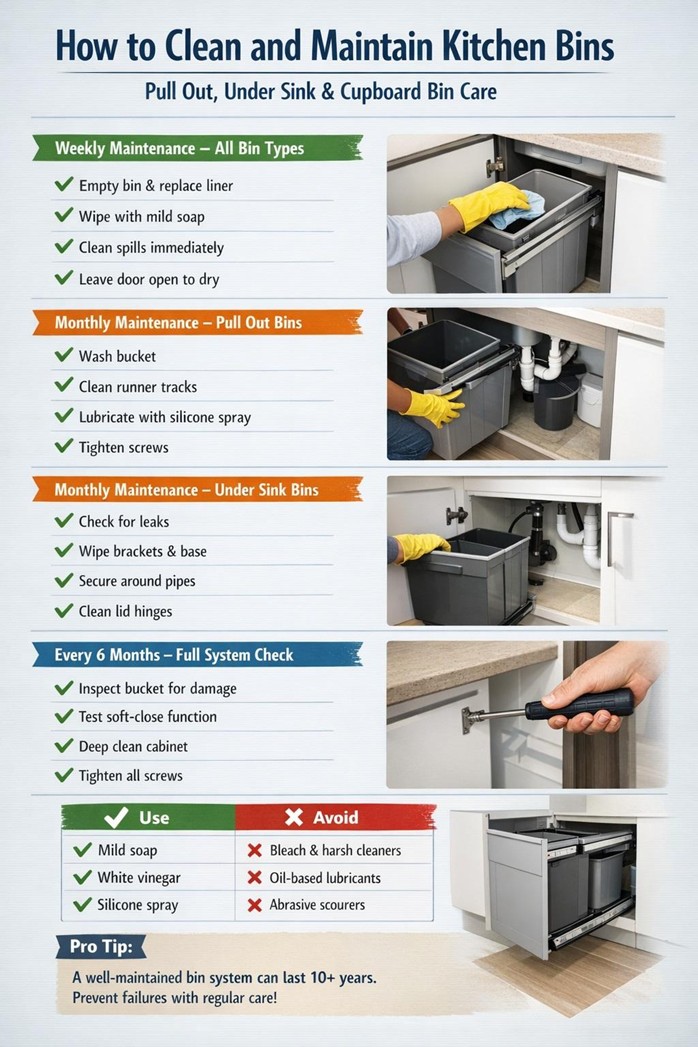
How to Clean and Maintain Kitchen Bins: Pull Out, Under Sink & Cupboard Bin Care
Regular cleaning keeps your kitchen bins hygienic, prevents odour buildup, and extends the life of your bin system. Whether you’re using pull out bins, under sink bins, or cupboard bins, a simple routine can keep everything running smoothly for years.
Weekly Maintenance — All Bin Types
Empty the bin before it overfills to prevent spills and stretched liners
Wipe the inside of the bucket with a damp cloth and mild dish soap
Clean food spills immediately to avoid odours and insects
Leave the cabinet door open after cleaning to allow proper drying
Monthly Maintenance — Pull Out Bins
Remove the bucket and wash it with warm soapy water
Wipe sliding runner rails with a dry cloth
Apply silicone-based lubricant if movement feels stiff
Check and tighten runner screws if needed
Monthly Maintenance — Under Sink Bins
Remove the bucket and check for moisture or plumbing leaks
Wipe mounting brackets and cabinet base
Ensure brackets are secure around pipes
Clean lid hinges and check smooth opening
Monthly Maintenance — Cupboard & Door Mounted Bins
Remove and wash the bin bucket separately
Clean mounting hardware and door plate
Tighten screws — these bins move frequently with the door
Adjust alignment if the bin swings unevenly
Every 6 Months — Full System Check
Inspect buckets for cracks or damage
Check soft-close mechanisms for smooth operation
Deep clean the cabinet interior with antibacterial spray
Tighten all screws and fixings
Cleaning Products — What to Use & Avoid
✅ Use
❌ Avoid
Mild dish soap & warm water
Bleach or harsh chemicals
White vinegar (odour removal)
Oil-based lubricants
Silicone spray (runners)
Abrasive scourers
Antibacterial spray
Excess water near fittings
Maintenance Tips
Always use the correct bin liner size to prevent mess
Wipe stainless steel in the direction of the grain
Use baking soda to remove persistent odours
Clean runners regularly to avoid long-term damage
Pro Tip: A well-maintained pull out bin system can last 10+ years. Most failures happen due to poor maintenance — not product quality.
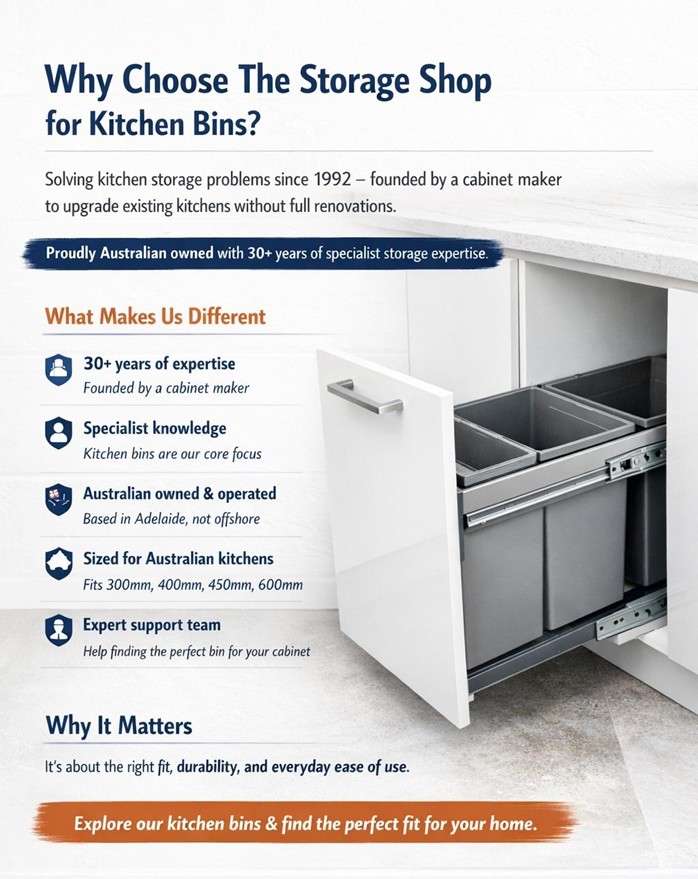
Why Choose The Storage Shop for Kitchen Bins?
The Storage Shop has been solving kitchen storage problems since 1992 — founded by a cabinet maker who built the business around one simple idea: helping people upgrade their existing kitchens with practical storage solutions, without the need for a full renovation.
More than 30 years later, we remain proudly Australian owned, specialist in cabinet storage, and focused on helping customers find the right kitchen bin for their exact cabinet — not just the most common option.
What Makes Us Different
30+ years of expertise — founded by a cabinet maker with over a decade of hands-on kitchen design experience
Specialist knowledge — kitchen bins are a core focus, not a side category
Australian owned & operated — based in Adelaide, not an offshore warehouse
Sized for Australian kitchens — designed to fit standard cabinet widths (300mm, 400mm, 450mm, 600mm)
Expert support team — get help choosing the right bin for your cabinet and kitchen layout
Why It Matters
Choosing the right kitchen bin isn’t just about price — it’s about fit, durability, and ease of use every day.
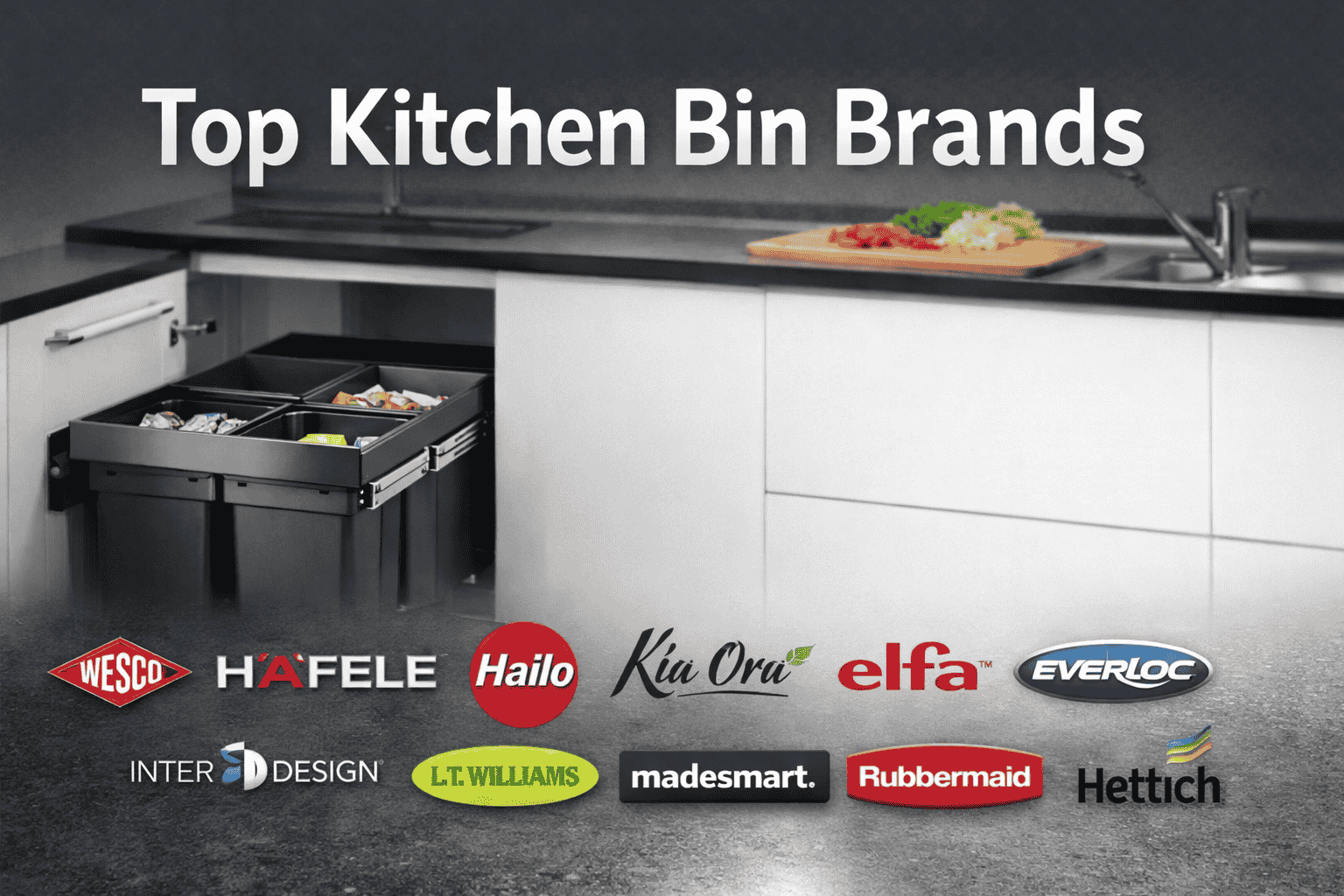
Kitchen Bin Brands: Wesco, Häfele, Hailo, Kia Ora & More
We stock kitchen bins from brands trusted by cabinet makers and kitchen designers across Australia:
Wesco— German-engineered pull out and built-in bin systems known for precision runners and long-term durability
Hafele— globally recognised hardware brand offering a wide range of pull out bins and under sink solutions sized for standard cabinetry
Hailo— specialist in soft-close bin systems and high-capacity pull out units for heavy daily use
Kia Ora — practical, well-priced cupboard and under sink bin solutions built for Australian kitchens
Every brand in our range is selected for fit, build quality, and compatibility with standard Australian cabinet widths.
Frequently Asked Questions — Kitchen Bins
What size pull out bin fits my cabinet?
Cabinet width is the key measurement. As a general guide:
Cabinet Width
Recommended Bin
300mm
Slim single pull out bin (12–15L)
400–450mm
Standard single or small double pull out bin
600mm
Large double pull out bin (2×15L to 2×35L)
Always measure the internal cabinet width, not the door width — these are often different. For under sink bins, also measure the usable width around your plumbing. Every product in our range states the minimum cabinet dimensions required — match this before ordering.
What is the difference between a pull out bin and a door mounted bin?
A pull out bin — also called a pull out kitchen bin, pull out rubbish bin, or slide out kitchen bin — mounts inside the cabinet body on sliding runner rails and pulls fully clear of the cabinet when opened. It sits completely hidden when closed with no visible bin and no floor space used.
A door mounted kitchen bin — also called a cupboard door bin or kitchen door bin — attaches directly to the inside face of the cabinet door and swings out automatically when the door is opened. Door mounted bins are simpler to install and suit narrow cabinets where pull out runners won't fit, but offer less capacity than a full pull out system.
For most kitchens with a standard 400mm+ base cabinet, a pull out bin offers better capacity, easier access, and longer-term durability.
Can I install an under sink bin if I have plumbing in the way?
Yes. Under sink bins are specifically designed to work around existing plumbing. Most under sink rubbish bins use adjustable or split mounting brackets that slot around standard P-traps and waste pipes without requiring any plumbing changes.
Before ordering, measure the usable internal width on either side of the plumbing and check the minimum cabinet dimensions listed on the product. A pull out bin under sink model with full-extension runners is the easiest option if your plumbing sits centrally — the bin pulls completely clear of the cabinet for liner changes and cleaning without needing to reach around the pipes.
What is a soft-close bin and is it worth it?
A soft-close bin is a pull out kitchen bin fitted with a damped runner mechanism that slows the bin automatically in the last few centimetres of travel — preventing it from slamming shut. The same technology is used in soft-close kitchen drawers and cabinet doors.
For high-use kitchens, soft-close is worth the extra cost. It reduces noise, prevents wear on the runner fixings, and extends the life of the bin system significantly. If you are installing a pull out rubbish bin in a family kitchen that gets used multiple times a day, soft-close is recommended. For light use in an apartment or small kitchen, a standard runner system is perfectly adequate.
Should I get a single or double compartment bin?
A double pull out bin — also called a dual compartment bin — has two separate buckets inside the same cabinet unit, allowing you to separate general waste and recycling without running two separate bins on the floor.
Choose a double compartment pull out kitchen bin if:
You separate general waste and recycling at home
You have a 450mm or wider cabinet available
You want to keep your kitchen completely clear of freestanding bins
Choose a single bin if:
Your cabinet is 300–400mm wide
You only need one waste stream
You want the simplest, most affordable option
Double under sink rubbish bins are also available for 500mm+ cabinets, giving you the same waste separation under the sink.
What bin capacity do I need for my household size?
Household Size
Recommended Capacity
Best Bin Type
1–2 people
12–15L single
In cupboard bin or slim pull out bin
3–4 people
2×15L double
Double pull out bin or under sink bin
5+ people
2×20L or 2×35L
Large double pull out kitchen bin
For households that cook frequently or generate food waste daily, choose the larger capacity within your range — an overfilled bin is harder to manage and harder to keep clean. If you separate recycling, always go for a dual compartment pull out bin regardless of household size.
Can I install a pull out bin myself or do I need a cabinet maker?
Most pull out bins, under sink bins, and cupboard bins are designed for straightforward DIY installation. All you need is a measuring tape, a screwdriver or drill, and the mounting hardware included with the bin. Most installations take 20–30 minutes.
Every bin in our range includes a product-specific instruction sheet with exact drill positions and fitting steps. For pull out bin systems, most brands also include an alignment template to make bracket placement accurate without guesswork.
You only need a cabinet maker if your cabinet requires structural modification — for example, if the cabinet floor needs reinforcing or a shelf needs to be removed to create clearance. Standard base cabinet installations with an existing floor and no obstructions are straightforward DIY jobs.
How do I stop my kitchen bin from smelling?
Persistent odour in a kitchen bin or kitchen waste bin is almost always caused by one of three things: an unlined bucket, dried liquid at the base of the bucket, or infrequent liner changes.
To eliminate and prevent odour:
Always line your bin with a correctly sized liner — an unlined pull out rubbish bin absorbs liquid and odour permanently into the plastic
Change liners before the bin overfills — overfilled bins split liners and allow liquid to seep to the base
Wash the bucket with warm soapy water monthly and allow it to dry fully before replacing the liner
Place a small amount of baking soda at the base of the bucket between liner changes to absorb odour
For under sink bins, check for moisture around the plumbing — a slow drip under the sink accelerates odour and mould buildup inside the cabinet